How Modern POS Systems Are Reshaping Restaurant Profitability

The restaurant industry has always operated on razor-thin margins. Historically, a successful restaurant was defined solely by the quality of its food and the friendliness of its staff. While these elements remain absolutely crucial, the modern culinary landscape demands something more: high-efficiency operations driven by live data. Implementing advanced restaurant POS billing software is no longer a luxury—it is a baseline survival requirement for food and beverage outlets.
The Problem with Traditional Cash Registers
Old legacy systems do one simple job: record a transaction. They completely fail to capture the operational context of that transaction. Who ordered it? Which table ordered? How long did it take to reach the customer? What raw ingredients were consumed in the process? Without this insight, restaurant owners are essentially operating in the dark, reacting to cash flow issues at the end of the month rather than optimizing daily margins. Furthermore, slow cash registers lead to frustrated customers, which eventually harms your local SEO search rankings. When checkout is a bottleneck, customers are far more likely to leave negative 1-star reviews on Google Maps about the 'slow billing service,' which directly downgrades your organic local visibility.
"Before switching to a modern POS, we were losing roughly 4% to 6% of our revenue every single month to unexplained inventory shrinkage and slow order turnaround times during busy hours."
How a Modern POS Transforms Your Bottom Line
Modern point-of-sale software, like TrackThali, acts as the central brain of a restaurant. It bridges front-of-house table booking with back-of-house recipe depletion. Here are the three primary areas where modern POS features create immediate cost-efficiencies:
- Real-Time Kitchen Order Ticket (KOT) Routing: Orders are routed instantly to kitchen display screens, reducing wait times by up to 25% and entirely removing verbal errors between waiters and chefs.
- Recipe-Level Cost Tracking: Every menu item is connected to its exact raw ingredient recipe. When a pizza is sold, the exact flour, cheese, and tomato paste are automatically subtracted from the inventory. This helps you calculate food costs down to the single rupee.
- Automated Tax Compliance & Multi-Pay Integration: Streamlined settlement options (UPI, card, food aggregators) keep reconciliation fast, accurate, and completely audit-ready.
Connecting Internal Efficiencies to SEO Visibility
Many restaurant owners view internal operations and search engine optimization (SEO) as completely separate worlds. But they are profoundly linked. In local SEO algorithms, user engagement signals are king. A fast, efficient, digital-first billing experience ensures your tables turn quickly, food arrives hot, and customers leave the restaurant feeling delighted. Happy, satisfied diners are 5 times more likely to pull out their phones and write a positive 5-star Google review. The velocity and sentiment of these reviews are the single most influential ranking factors for ranking #1 in Google's Local 3-Pack search results. In short: excellent POS billing equals better customer satisfaction, which equals top-tier local SEO rankings.
Smarter Insights, Scalable Success
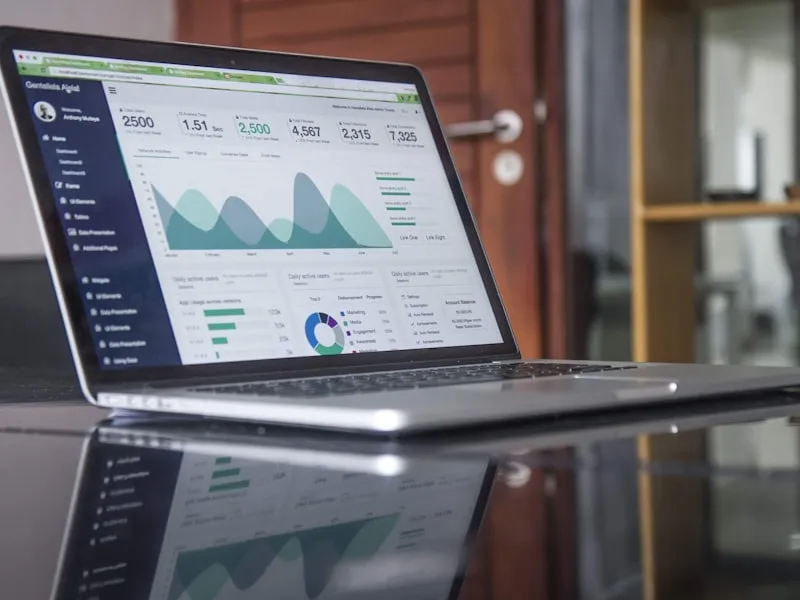
By capturing every byte of operational data, a modern system helps you analyze patterns. If the reports show that Paneer Butter Masala yields high sales but low margins due to recent dairy inflation, you can adjust the pricing immediately, not weeks later. That is the power of operational tracking. Leverage these data points to build your menu, focus your marketing budgets, and scale your brand to multiple branches without losing control.